






Your body breaks down every carb you ingest into glucose, also known as blood sugar because it travels through your bloodstream. Glucose is a simple sugar — more precisely, a monosaccharide (mono meaning single and saccharide meaning sugar). To store glucose, your body combines the molecules into a polysaccharide (poly meaning several) called glycogen, which gets stored in your liver and muscles.
Insulin (a hormone produced by your pancreas) rises when blood glucose rises; it lowers blood sugar by telling various cells to absorb it — for storage in your liver or muscles or for immediate use — and your liver to stop producing new glucose.
The ability of cells to absorb glucose in response to insulin is called insulin sensitivity, and low insulin sensitivity is called insulin resistance. The more sensitive you are to insulin, the less resistant, and vice versa.
It is also possible to produce too little insulin. If you have type 1 diabetes or are in the late stages of type 2 diabetes, in which case you suffer from insulin deficiency, glucose can’t be removed efficiently from your blood, causing hyperglycemia (overly high glucose levels).
Insulin resistance paves the way for type 2 diabetes, which can cause your blood sugar levels to consistently remain too high for too long. If not managed, these high blood sugar levels can lead to serious health complications — mostly cardiovascular diseases, Cancer, Alzheimer’s, and Parkinson’s as well.
How are blood glucose levels assessed?
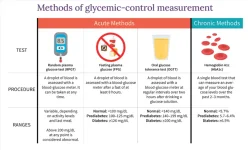
Glycemic control can be tested several ways, each with its own cutoff values indicating impaired glucose regulation. Of these tests, fasting blood glucose is the most common, followed by hemoglobin A1C (HbA1c).
Why insulin sensitivity matters:
In a bodybuilding context insulin sensitivity determines whether the food you eat is used to build muscle or stored as body fat. Insulin itself is not a bad hormone. It is a storage hormone that helps move nutrients from the bloodstream into cells. When you eat carbohydrates or protein insulin rises and signals the body to store those nutrients. The difference between gaining muscle or gaining fat depends on how sensitive your cells are to insulin.
When insulin sensitivity is high muscle cells respond efficiently to insulin. Glucose and amino acids are
rapidly pulled into muscle tissue where they are used to refill glycogen stores support recovery and
drive growth. Because the cells respond well only a small amount of insulin is needed to get this effect.
The result is fuller muscles stronger pumps faster recovery and the ability to eat more calories with
minimal fat gain. This is why lean well trained bodybuilders often handle high carbohydrate intakes
while staying relatively lean.
When insulin sensitivity is poor the opposite happens. Muscle cells do not respond properly so the body
releases more insulin to compensate. When insulin stays elevated nutrients are more likely to be
pushed into fat cells instead of muscle. In practice this looks like gaining fat quickly during a bulk
struggling to look full despite eating enough carbohydrates and feeling sluggish during training. Food is
consumed but not efficiently used for muscle growth.
Insulin sensitivity plays a major role in nutrient partitioning which refers to where calories end up in the body. With good insulin sensitivity carbohydrates are directed toward muscle glycogen and protein is used effectively for repair and growth. With poor sensitivity those same calories are more likely to be
stored as fat even if total calorie intake is the same. This explains why two people can eat identical
diets and see completely different physiques.
Bodybuilders often improve insulin sensitivity without explicitly talking about it. Resistance training
increases insulin sensitivity by making muscle cells more responsive to nutrients. Carrying more lean
muscle mass improves glucose uptake. Staying lean maintaining daily movement and timing
carbohydrates around training all enhance this process. Even advanced enhancement protocols rely
heavily on insulin sensitivity because without it additional nutrients and hormones simply increase fat
gain and stress the body.
During a mass gaining phase high insulin sensitivity allows more muscle to be built per calorie
consumed. Fat gain is slower and easier to control. When sensitivity is low bulks become sloppy and
excess body fat accumulates quickly. During a cutting phase good insulin sensitivity allows
carbohydrates to continue fueling workouts and filling muscles even in a calorie deficit. Poor sensitivity
makes dieting harder because carbohydrates are more likely to be stored as fat despite reduced intake.
Ultimately insulin sensitivity determines how efficiently the body uses food. Training provides the
stimulus and nutrition provides the raw materials but insulin sensitivity controls delivery. Improving it
allows bodybuilders to grow more muscle stay leaner train harder and recover faster using the same
calories others struggle to manage.
Insulin (a hormone produced by your pancreas) rises when blood glucose rises; it lowers blood sugar by telling various cells to absorb it — for storage in your liver or muscles or for immediate use — and your liver to stop producing new glucose.
The ability of cells to absorb glucose in response to insulin is called insulin sensitivity, and low insulin sensitivity is called insulin resistance. The more sensitive you are to insulin, the less resistant, and vice versa.
It is also possible to produce too little insulin. If you have type 1 diabetes or are in the late stages of type 2 diabetes, in which case you suffer from insulin deficiency, glucose can’t be removed efficiently from your blood, causing hyperglycemia (overly high glucose levels).
Insulin resistance paves the way for type 2 diabetes, which can cause your blood sugar levels to consistently remain too high for too long. If not managed, these high blood sugar levels can lead to serious health complications — mostly cardiovascular diseases, Cancer, Alzheimer’s, and Parkinson’s as well.
How are blood glucose levels assessed?
Glycemic control can be tested several ways, each with its own cutoff values indicating impaired glucose regulation. Of these tests, fasting blood glucose is the most common, followed by hemoglobin A1C (HbA1c).
Why insulin sensitivity matters:
In a bodybuilding context insulin sensitivity determines whether the food you eat is used to build muscle or stored as body fat. Insulin itself is not a bad hormone. It is a storage hormone that helps move nutrients from the bloodstream into cells. When you eat carbohydrates or protein insulin rises and signals the body to store those nutrients. The difference between gaining muscle or gaining fat depends on how sensitive your cells are to insulin.
When insulin sensitivity is high muscle cells respond efficiently to insulin. Glucose and amino acids are
rapidly pulled into muscle tissue where they are used to refill glycogen stores support recovery and
drive growth. Because the cells respond well only a small amount of insulin is needed to get this effect.
The result is fuller muscles stronger pumps faster recovery and the ability to eat more calories with
minimal fat gain. This is why lean well trained bodybuilders often handle high carbohydrate intakes
while staying relatively lean.
When insulin sensitivity is poor the opposite happens. Muscle cells do not respond properly so the body
releases more insulin to compensate. When insulin stays elevated nutrients are more likely to be
pushed into fat cells instead of muscle. In practice this looks like gaining fat quickly during a bulk
struggling to look full despite eating enough carbohydrates and feeling sluggish during training. Food is
consumed but not efficiently used for muscle growth.
Insulin sensitivity plays a major role in nutrient partitioning which refers to where calories end up in the body. With good insulin sensitivity carbohydrates are directed toward muscle glycogen and protein is used effectively for repair and growth. With poor sensitivity those same calories are more likely to be
stored as fat even if total calorie intake is the same. This explains why two people can eat identical
diets and see completely different physiques.
Bodybuilders often improve insulin sensitivity without explicitly talking about it. Resistance training
increases insulin sensitivity by making muscle cells more responsive to nutrients. Carrying more lean
muscle mass improves glucose uptake. Staying lean maintaining daily movement and timing
carbohydrates around training all enhance this process. Even advanced enhancement protocols rely
heavily on insulin sensitivity because without it additional nutrients and hormones simply increase fat
gain and stress the body.
During a mass gaining phase high insulin sensitivity allows more muscle to be built per calorie
consumed. Fat gain is slower and easier to control. When sensitivity is low bulks become sloppy and
excess body fat accumulates quickly. During a cutting phase good insulin sensitivity allows
carbohydrates to continue fueling workouts and filling muscles even in a calorie deficit. Poor sensitivity
makes dieting harder because carbohydrates are more likely to be stored as fat despite reduced intake.
Ultimately insulin sensitivity determines how efficiently the body uses food. Training provides the
stimulus and nutrition provides the raw materials but insulin sensitivity controls delivery. Improving it
allows bodybuilders to grow more muscle stay leaner train harder and recover faster using the same
calories others struggle to manage.

